
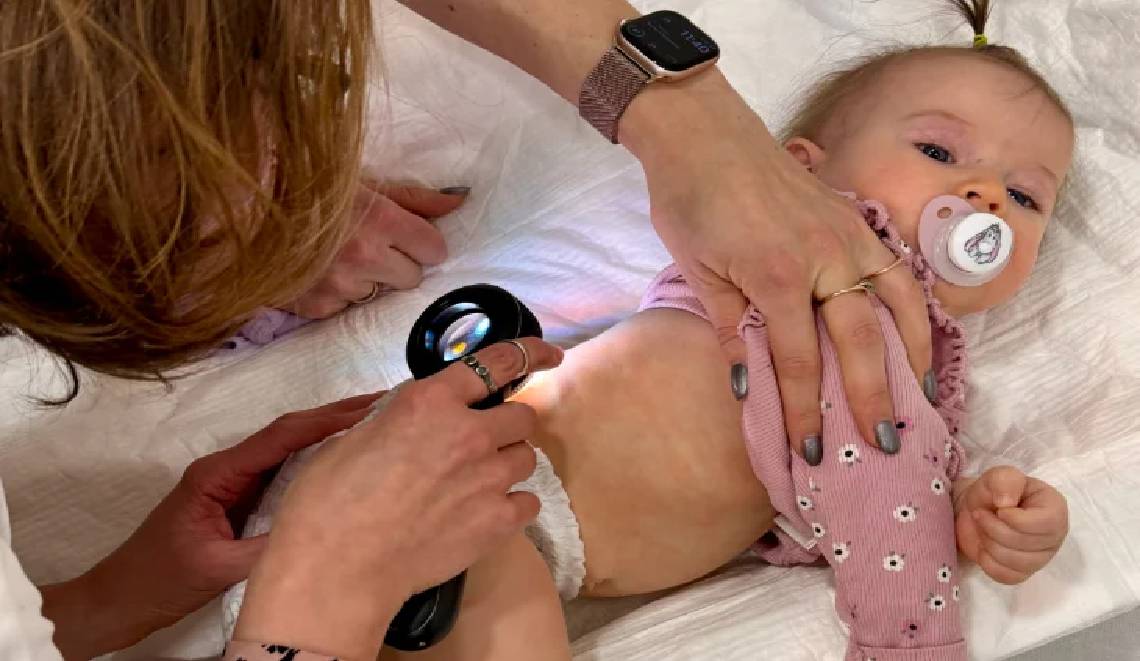
Can doctors truly understand how a treatment works for children if children are never included in the research behind it?
This question has grown more important as it has been learned that children are not simply "small adults." Their immune systems, skin structure, growth patterns, and responses to medications can differ from those of adults. Because of this, greater attention has been placed on responsible pediatric participation in atopic dermatitis clinical research in Houston and around the world, when it is appropriate and ethically justified.
Atopic dermatitis is considered one of the most common chronic skin conditions in childhood. According to the American Academy of Dermatology, up to 20% of children worldwide are affected, making it one of the leading inflammatory skin diseases among young people. As treatment options continue to be improved, carefully designed clinical research is used to provide evidence on safety and effectiveness across different age groups. Source: https://www.aad.org/public/diseases/eczema/childhood
Children with moderate to severe atopic dermatitis often experience more than itchy skin. They may struggle with interrupted sleep, difficulty concentrating at school, skin infections and emotional stress caused by visible symptoms. Daily skin care routines and flare-ups also present ongoing challenges for parents and caregivers.
For many years, treatment decisions for children were sometimes based on studies conducted primarily in adults. While useful information can be provided by this approach, important questions about how younger patients respond to treatment are not always answered.
When children are included in carefully planned research, the following can be better understood:
Which treatments work best for different age groups.
How medications are processed by children's bodies.
What dosage may be most appropriate.
How long-term health and quality of life are affected by treatment.
Through this information, more informed decisions can be made by healthcare providers and greater confidence in available treatment options can be given to families.
One of the biggest concerns held by families is whether research involving children is safe. It can be reassuring to know that some of the strictest ethical and regulatory standards in healthcare are followed in pediatric clinical research.
Before a child can participate, careful review is given to whether the study is appropriate for children and whether the expected benefits justify any potential risks. Study protocols are reviewed by independent ethics committees and regulatory authorities before enrollment begins.
Informed consent must be provided by parents or legal guardians before participation. Depending on the child's age and level of understanding, the child's agreement known as assent may also be requested.
Close monitoring is maintained throughout the study. If concerns arise, procedures can be adjusted or participation discontinued by study teams when necessary. Protecting participants always remains the highest priority.
Specific eligibility requirements are set for every clinical research study. Scientific questions can be answered and participants protected through these criteria.
The following factors may be considered by researchers:
The child's age.
Severity of atopic dermatitis.
Previous treatments.
Overall health.
Other medical conditions.
Current medications.
It is completely normal for not every child to qualify for every study. Eligibility criteria are designed to keep research consistent while participant safety is helped to be ensured.
How Pediatric Research Improves Future Care
Another piece of understanding is added to atopic dermatitis with every completed study. More is learned about how the disease develops, why symptoms vary between patients and which therapies may provide better results.
Age-specific side effects, treatment responses and dosing recommendations that cannot always be predicted from adult studies alone are also helped to be identified through pediatric participation.
Over time, these findings are used to contribute to treatment guidelines followed by pediatric dermatologists and other healthcare providers caring for children with atopic dermatitis.
New treatments are not the only goal. Daily quality of life is also meant to be improved by reducing flare-ups, relieving itching, improving sleep and supporting healthier skin over the long term.
A commitment to participation is not implied simply by learning about clinical research. Opportunities for families to ask questions before any decision is made are provided by most research centers.
The following should be understood by families:
The purpose of the study.
The expected visits and procedures.
Possible benefits and risks.
Participant rights.
Whether participation can be stopped at any time.
Informed decisions based on individual circumstances can be made when time is taken to discuss these questions with the research team and the child's healthcare provider.
Trust, transparency and clear communication are depended on by clinical research. Families should always feel comfortable asking questions throughout the process.
As science continues to advance, pediatric inclusion remains an important part of improving care for children living with atopic dermatitis. The evidence needed to develop treatments that are both safe and appropriate for younger patients is gathered through carefully conducted clinical research.
Valuable knowledge that may benefit future generations of patients is contributed by each study, while the understanding of this complex skin condition continues to be strengthened.
The understanding of atopic dermatitis and many other health conditions continues to be improved through clinical research. If more information about ongoing research opportunities is of interest, volunteering options can be explored at Biopharma Informatic. Information about current clinical research studies and how volunteers may contribute to advancing science is provided by our team. Participation is always voluntary and eligibility depends on the specific study.
What is pediatric inclusion in atopic dermatitis clinical research in Houston?
Pediatric inclusion in atopic dermatitis clinical research in Houston refers to the responsible participation of eligible children in carefully designed research studies. How treatments work in younger patients is helped to be understood through these studies while strict ethical and safety standards are followed.
How are children protected during atopic dermatitis clinical research in Houston?
Throughout the study, children participating in atopic dermatitis clinical research in Houston are protected through ethics committee oversight, informed parental consent, age-appropriate assent when possible, ongoing medical monitoring and strict safety regulations.
What factors are considered before children can join atopic dermatitis clinical research in Houston?
Age, disease severity, medical history, current medications, previous treatments and overall health are among the factors reviewed by researchers when eligibility for atopic dermatitis clinical research in Houston is being determined.
How does pediatric participation improve atopic dermatitis clinical research in Houston?
How treatments affect children specifically is helped to be understood through pediatric participation. Better dosing recommendations, improved safety data and stronger evidence for future patient care are supported by this information.
What can families expect when learning about atopic dermatitis clinical research in Houston for children?
Detailed discussions about the study purpose, eligibility requirements, study visits, possible risks and benefits, participant rights and opportunities to ask questions can be expected by families before any decision about participation is made.