
What would happen if a promising skin treatment was found helpful but the people receiving it were not closely watched by researchers?
That question gets to the heart of safety oversight in dermatology clinical trials in Houston. A clinical study is not only meant to find out whether a treatment works. Participants must also be observed, concerns must be reported, and the study must be able to be changed or stopped when needed.
New CDC data released in 2026 found that nearly 3 in 10 U.S. children (29.5%) had at least one allergic condition, and 12.7% had diagnosed eczema. Among adults, 7.7% reported diagnosed eczema. These numbers highlight why ongoing research, including dermatology clinical trials in Houston, remains important for developing new treatment options and improving patient care.
Safety oversight is the process used to watch for health problems during a clinical study. Before a participant is enrolled, their health history is reviewed by the study team and it is checked whether the study is suitable for them.
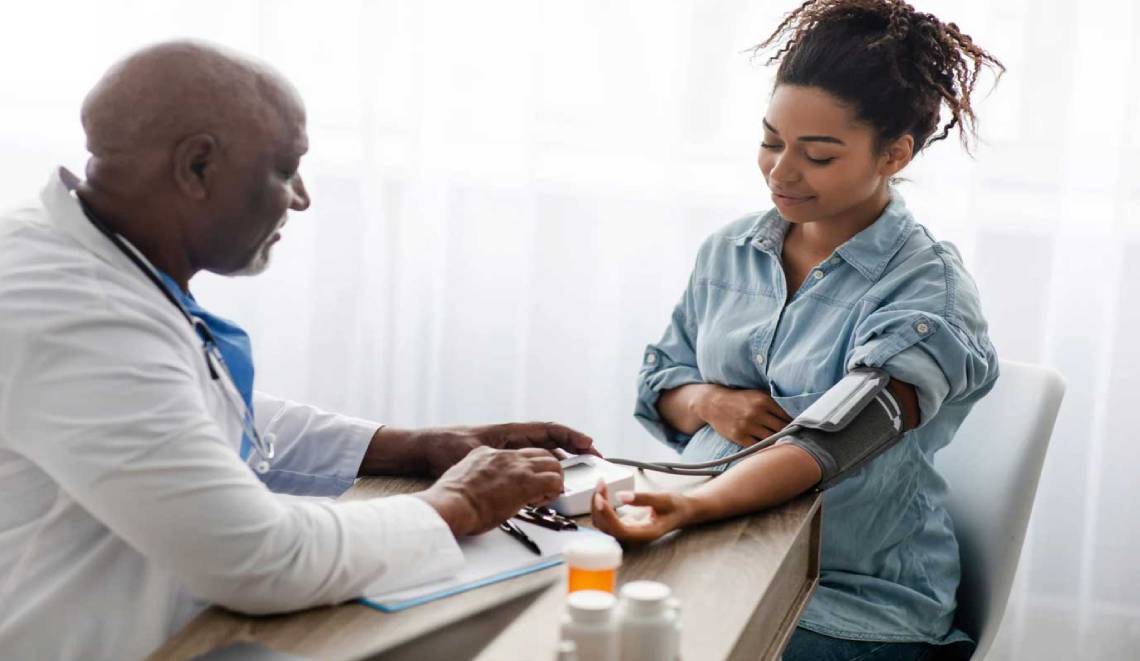
Once the study begins, safety is followed throughout participation. Participants may be asked about changes in their skin, general health, medicines, or other symptoms. Depending on the study, examinations, vital signs, photographs or other tests may also be performed.
Information is collected throughout the study so that concerns can be recognized and addressed.
Skin studies can involve creams, ointments, injections, oral medicines, biologic treatments or other approaches. Reactions may appear on the skin or affect general health.
For example, changes in redness, itching, lesions or affected skin may be measured in an atopic dermatitis clinical trial. Participants may be asked about irritation, infections, or other symptoms. The exact checks depend on the treatment and study protocol.
Studies evaluating treatments for moderate to severe atopic dermatitis are recorded, where safety and treatment response are assessed together. Safety is therefore treated as part of the research process.
Safety monitoring usually starts before the first dose or study procedure. A participant's medical history, current medicines, allergies and other relevant information may be reviewed.
During the study, the participant is checked at scheduled visits. Skin examinations and other tests may be performed according to the study plan.
New or unusual symptoms should be reported by participants to the study team rather than being held until the next visit. Prompt reporting allows the concern to be assessed and addressed.
There is no single safety checklist used for every dermatology study. Checks are selected according to the treatment, condition, age group, and known or possible risks.
Common checks may include:
- Medical history and medication review
- Physical and skin examinations
- Vital signs
- Laboratory testing when required
- Review of side effects and other health changes
It is stated by the FDA that protecting the rights, safety, and welfare of clinical trial participants is treated as a central part of its oversight.
Safety is shared across several people and organizations. Participants are monitored at the research site by the investigator and study team. Broader study oversight is provided by the study sponsor. Research involving human participants is reviewed by an Institutional Review Board, or IRB, and continuing oversight is provided.
For some studies, study data and safety information may also be reviewed by an independent data monitoring committee.
A safety concern does not automatically mean that a study has failed. First, what happened and how serious the issue may be are assessed by the research team. Medical care, additional monitoring, or changes to study treatment may be given to the participant when appropriate.
The concern may then be documented and reported according to the study protocol and applicable requirements. If a greater risk than expected is suggested by the issue, the study may be modified, paused, or stopped. New safety information may also be shared with participants.
This is why informed consent is treated as more than a form signed at the beginning. Participants should be able to ask questions and understand new information. It is also recognized under FDA requirements that participants should be informed about important new findings that may affect their decision to continue.
Participants should know who to contact when they have a concern, and should feel comfortable reporting changes in their health.
For people considering dermatology clinical trials in Houston, it can be useful to ask how often visits are scheduled, what safety tests are included, how side effects are reported, and who should be contacted with concerns.
At Biopharma Informatic, clinical research is conducted with participant safety and study quality in mind. If you are interested in research participation, visit Biopharma Informatic to learn about studies and explore volunteering options that may help advance science. Participation depends on the eligibility requirements and informed consent process of each study.
What is safety oversight in dermatology clinical trials in Houston?
Safety oversight is the ongoing process of checking participants for side effects, health changes, and other concerns before, during, and after study treatment or procedures.
How is participant safety monitored during dermatology clinical trials in Houston?
Medical reviews, skin examinations, vital sign checks, laboratory tests, and follow-up visits may be received by participants. They are asked to report new or unusual symptoms to the study team.
What safety checks are performed during dermatology clinical trials in Houston?
Checks vary by study and may include medical history, medication review, skin examinations, laboratory tests, and side-effect reviews.
Who is responsible for safety oversight in dermatology clinical trials in Houston?
Participants are monitored by the research team, while additional oversight is provided by sponsors and review boards. Regulated clinical research in the United States is also overseen by the FDA.
What happens if a safety concern is identified during dermatology clinical trials in Houston?
The concern is assessed and documented, and additional care or monitoring may be received by the participant. Depending on the findings, the study may be changed, paused, or stopped, and new safety information may be received by participants.